Trusted Roofer Support for Roof Leaks and Gutter Repair Work
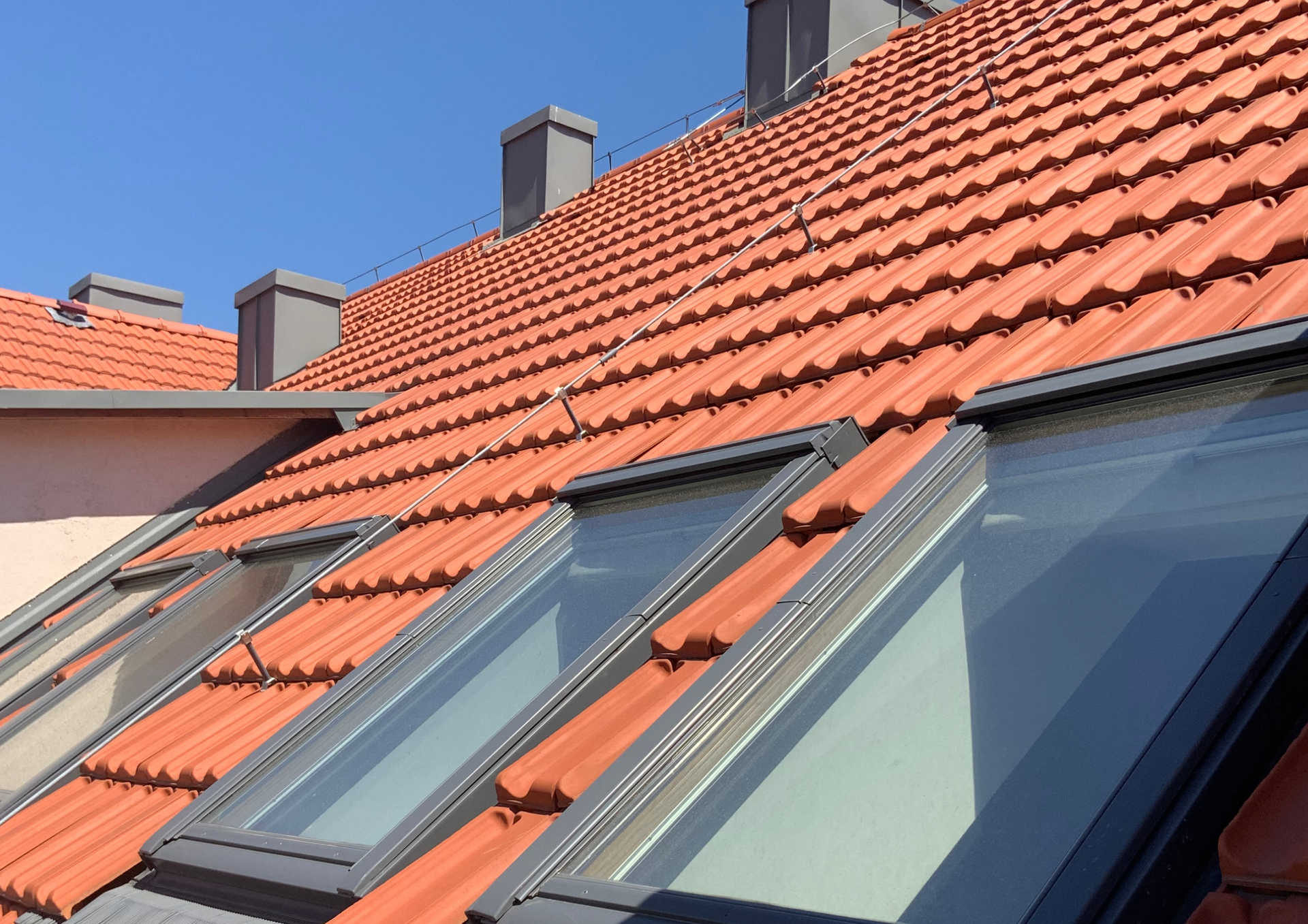
Roofers Croydon understands the importance of maintaining roofing systems to help protect residential and commercial properties from long-term structural concerns. Guttering systems, roof coverings, flashing, fascias, soffits, and drainage channels all work together to direct rainwater safely away from the building.
When one section of the roofing structure begins to deteriorate, surrounding areas may also become vulnerable to moisture damage, staining, and gradual wear over time. Homeowners, landlords, surveyors, and local authorities often deal with roofing concerns at different stages of property ownership and maintenance.
Some buildings require minor preventative work after seasonal weather exposure, while others need more detailed restoration following years of wear. Understanding how roofing systems function can help property owners make informed decisions about maintenance and repair schedules before problems become more disruptive.
Many people searching online for roof repair near me are often trying to respond quickly to visible leaks, slipped tiles, blocked guttering, or overflowing drainage during periods of heavy rain. Fast action can help reduce further deterioration while allowing damaged areas to be inspected properly before wider structural concerns develop.
Understanding Common Gutter and Roof Problems
Roofers Croydon understands that roofing systems face constant exposure to changing weather conditions, environmental debris, and natural wear throughout the year. Over time, even minor roofing concerns can gradually develop into larger structural problems if regular maintenance is overlooked. Understanding common roofing and gutter issues helps property owners recognise warning signs early and plan suitable maintenance more effectively.
Common Weather-Related Roof Damage
- Wind can loosen tiles, slates, flashing, and roof fixings over time.
- Heavy rainfall may expose weak points within roofing structures and drainage systems.
- Frost and changing temperatures can gradually weaken roofing materials and joints.
- Organic debris such as leaves, moss, and dirt can trap moisture against roofing surfaces.
- Older properties are often more vulnerable to long-term weather exposure and material fatigue.
Gutter and Drainage Problems
- Blocked gutters commonly collect leaves, moss, dirt, and broken roofing materials.
- Restricted water flow may lead to overflowing gutter systems during heavy rainfall.
- Overflowing water can affect brickwork, render, roof edges, pathways, and landscaping.
- Downpipes, gullies, and drainage outlets require regular maintenance to remain effective.
- Poor external drainage may increase pressure around vulnerable roofing areas.
Roof Covering Deterioration
- Slipped slates and cracked roof tiles can allow moisture to enter roof spaces.
- Deteriorated mortar and worn flashing may gradually weaken weather protection.
- Small leaks often begin as damp patches or minor internal staining.
- Early repairs are usually more manageable than larger restoration projects later.
- Ageing roofing materials may become less effective over time without maintenance.
Flat Roof Maintenance Concerns
- Flat roofs may develop ponding water after periods of rainfall.
- Ageing membranes and weakened joints can contribute to water penetration.
- Surface blistering may indicate gradual material deterioration beneath the roof covering.
- Standing water can slowly damage roofing structures if ignored.
- Routine inspections help identify flat roof issues before major deterioration develops.
Challenges Affecting Older Buildings
- Older properties may contain ageing roofing materials that require closer monitoring.
- Previous repair methods may no longer provide effective long-term protection.
- Roofing movement and long-term weather exposure can gradually affect stability.
- Preventative maintenance helps reduce disruption and preserve building condition.
- Surveyors and property managers often monitor older roofing systems carefully.
Roofing Considerations for Commercial Properties
- Commercial buildings often have larger roof spans and more complex drainage systems.
- Rooftop equipment may increase maintenance and access requirements.
- Ongoing occupancy can influence how roofing work is planned and scheduled.
- Safety arrangements may require additional preparation during maintenance projects.
- Structured planning helps minimise disruption around operational premises.
Early Warning Signs of Roofing Problems
- Water staining beneath eaves may indicate developing moisture issues.
- Loose gutter brackets can suggest drainage strain or ageing fixings.
- Overflowing gutter joints may signal blockages or poor water flow.
- Vegetation growth around roofing areas can trap moisture and debris.
- Damp smells within loft spaces may indicate hidden roofing deterioration.
- Routine visual inspections can help identify concerns before larger repairs become necessary.
The Importance of Regular Roofing Maintenance
Regular roofing maintenance plays an important role in protecting both residential and commercial properties from long-term structural concerns. Preventative care helps property owners identify smaller issues before they become more disruptive, while also supporting the overall lifespan and performance of roofing materials.
Consistent inspections and maintenance planning can help reduce unexpected repairs while keeping roofing systems functioning more efficiently throughout the year.
Benefits of Regular Roofing Maintenance
- Consistent maintenance helps extend the lifespan of roofing materials.
- Preventative care allows smaller problems to be addressed before they worsen.
- Regular inspections support long-term property preservation.
- Planned maintenance can help reduce future disruption and repair work.
- Commercial property managers often use routine inspections to manage multiple buildings more effectively.
Importance of Debris Removal
- Moss, leaves, and trapped dirt can restrict water flow within gutter systems.
- Debris accumulation may place additional strain on drainage channels and fixings.
- Blocked gutters are more likely to overflow during heavy rainfall.
- Early debris removal helps maintain efficient roof drainage performance.
- Regular cleaning supports cleaner and safer external property conditions.
Monitoring Vulnerable Roofing Areas
- Flashing, ridge tiles, roof valleys, and chimney surrounds experience heavy weather exposure.
- These roofing sections may deteriorate gradually over time without routine inspections.
- Changing temperatures and rainwater movement can affect roof stability.
- Early identification allows repairs to remain more controlled and targeted.
- Preventative inspections help reduce the likelihood of widespread roofing damage.
Roof Ventilation and Internal Protection
- Proper ventilation supports healthier roofing structures over time.
- Poor airflow may contribute to condensation and damp conditions within roof spaces.
- Excess moisture can gradually affect timber, insulation, and surrounding materials.
- Balanced ventilation helps reduce unnecessary strain beneath roof coverings.
- Ventilation checks often form part of wider roofing maintenance inspections.
Roofing Maintenance for Rental Properties
- Landlords often arrange inspections between tenancy changes.
- Routine roof care helps minimise disruption for occupants.
- Preventative maintenance supports the long-term condition of rental properties.
- Regular inspections can help identify drainage or leak concerns early.
- Organised maintenance planning supports more manageable property management.
Why Surveyors Assess Roofing Systems
- Surveyors assess roofing condition during wider property evaluations.
- Damaged drainage systems may gradually affect walls, ceilings, and insulation.
- Long-term leaks can contribute to structural deterioration over time.
- Roofing condition often influences the overall performance of the property.
- Prompt repairs help preserve internal and external building condition.
Ongoing Maintenance for Modern Roofing Materials
- Modern roofing systems still require routine inspections despite their durability.
- Sealants, coatings, and fixings may gradually deteriorate over time.
- Constant environmental exposure affects roofing materials throughout the year.
- Small defects can become larger structural concerns if ignored.
- Regular inspections help identify maintenance requirements early.
Risks of Delaying Roofing Repairs
- Minor roofing concerns can worsen during prolonged rainfall or freezing weather.
- Loose tiles and blocked gutters may lead to water penetration over time.
- Delayed maintenance often increases the scale of future repair work.
- Preventative care generally supports more manageable repair planning.
- Early action can help reduce unnecessary internal property damage.
Choosing Professional Roofing Support
- Property owners often seek practical guidance alongside roofing maintenance.
- Clear communication helps clients understand the condition of their roofing systems.
- Reliable workmanship supports long-term property care and maintenance planning.
- Transparent inspections help identify the most appropriate repair approach.
- Many people researching roofing contractors value organised and dependable support throughout the project.
Planning Roofing Repairs for Residential and Commercial Properties
Roofers Croydon understands that roofing repairs and maintenance projects can vary significantly depending on the condition of the building, the type of roofing system involved, and the level of deterioration present.
Residential and commercial properties often require different planning approaches, particularly where accessibility, drainage performance, and long-term maintenance requirements must all be considered carefully. Understanding the practical factors involved in roofing work helps property owners prepare more effectively for repairs and ongoing roof maintenance.
Factors That Influence Roofing Projects
- Roofing requirements vary depending on building size and roof structure.
- Domestic projects may involve minor repairs or gutter clearance work.
- Commercial buildings often require larger phased maintenance schedules.
- The level of deterioration can influence repair methods and project duration.
- Different roofing systems may require specialised maintenance approaches.
Access and Site Preparation Considerations
- Restricted access may require additional preparation before work begins.
- Shared driveways and narrow streets can affect equipment positioning.
- Surrounding landscaping may need protection during roofing work.
- Commercial premises often require careful scheduling around daily operations.
- Organised planning helps reduce disruption for occupants and visitors.
How Weather Conditions Affect Roofing Work
- Strong winds can affect roofing safety and installation procedures.
- Heavy rainfall may delay repair schedules or material installation.
- Frost and prolonged wet weather can impact repair efficiency.
- Roofing work is often planned around forecast weather conditions.
- Safe installation conditions help support long-term roofing performance.
Importance of Material Compatibility
- Older buildings may require carefully matched roofing materials.
- Replacement sections should blend naturally with existing roof coverings.
- Material compatibility helps preserve the appearance of the property.
- Correct material selection supports long-term durability and performance.
- Roofing repairs should maintain both structural and visual consistency.
Assessing Drainage During Roof Repairs
- Roof repairs should include inspections of surrounding drainage systems.
- Blocked gutters and damaged downpipes may continue causing moisture problems.
- Efficient drainage supports better long-term roofing performance.
- Water management plays a major role in protecting roofing structures.
- Complete inspections provide a clearer understanding of roof condition.
Commercial Roofing Maintenance Planning
- Large commercial buildings often require phased roofing schedules.
- Warehouses, schools, and retail premises may need organised maintenance planning.
- Occupancy levels can influence repair timing and site access.
- Planned scheduling helps minimise operational disruption.
- Structured maintenance supports safer working environments during repairs.
Maintenance Planning for Residential Properties
- Homeowners often first notice slipped tiles or damp patches internally.
- Professional inspections may identify additional hidden roofing concerns.
- Addressing multiple issues together can improve long-term maintenance outcomes.
- Structured repair planning helps prevent recurring roofing problems.
- Preventative maintenance supports more reliable roof performance over time.
Budget and Repair Cost Considerations
- Roofing costs can vary depending on materials and property access.
- Roof height and drainage condition may influence labour requirements.
- Larger areas of deterioration generally require more extensive repairs.
- Understanding repair factors helps property owners plan more realistically.
- Budget preparation supports better long-term maintenance decisions.
Temporary Repairs and Stabilisation Work
- Temporary repairs may sometimes be needed before larger restoration projects.
- Stabilisation work can help reduce immediate water penetration.
- Short-term repairs may protect vulnerable areas during poor weather.
- Larger projects are often scheduled around access and weather conditions.
- Early intervention helps limit additional roofing deterioration.
Importance of Professional Roof Inspections
- Inspections help determine whether localised repairs remain practical.
- Some roofing systems respond well to targeted maintenance work.
- Wider deterioration may indicate the need for larger restoration projects.
- Professional assessments help identify long-term roofing requirements.
- Careful inspections support more informed repair and maintenance decisions.
Long-Term Benefits of Reliable Roofing Care
Consistent roofing maintenance supports both the immediate condition and long-term performance of residential and commercial properties. Well-maintained roofs and drainage systems help protect buildings from moisture-related problems while also contributing to safer, cleaner, and more reliable property environments. Preventative care allows property owners to manage roofing concerns more effectively before larger structural issues develop over time.
Protecting the Overall Property Structure
- Maintained roofing systems help protect walls, foundations, and roof edges.
- Effective drainage management reduces long-term moisture exposure.
- Proper roof care supports the overall condition and appearance of the building.
- Preventative maintenance helps reduce gradual structural deterioration.
- Roofing inspections support long-term property preservation.
Improving External Safety Around Buildings
- Maintained guttering systems help control rainwater flow more effectively.
- Overflowing water may create slippery pathways and standing water.
- Poor drainage can contribute to surface erosion near entrances and walkways.
- Effective water management supports cleaner outdoor environments.
- Proper drainage maintenance improves safety around residential and commercial properties.
Supporting Internal Building Comfort
- Roof leaks and damp conditions may gradually affect indoor environments.
- Poor ventilation can influence insulation performance over time.
- Moisture build-up may contribute to uncomfortable internal conditions.
- Early roof repairs help maintain a more stable internal environment.
- Well-maintained roofing systems support healthier building conditions.
Benefits of Preventative Commercial Maintenance
- Commercial property owners often include roofing inspections within wider maintenance planning.
- Preventative care helps reduce the likelihood of emergency roofing repairs.
- Organised maintenance schedules support operational continuity.
- Planned inspections help minimise disruption around occupied premises.
- Long-term maintenance planning supports safer and more efficient building management.
Reassurance for Residential Property Owners
- Regular roof care provides reassurance during severe weather conditions.
- Maintained drainage systems help properties cope with prolonged rainfall more effectively.
- Routine inspections help identify roofing concerns before they worsen.
- Consistent maintenance supports long-term residential property protection.
- Homeowners often benefit from greater confidence in the condition of their roofing systems.
Reducing the Risk of Major Structural Problems
- Buildings with regular maintenance often experience fewer sudden roofing issues.
- Early repairs help reduce the risk of widespread water penetration.
- Small roofing concerns can become more disruptive if left unresolved.
- Preventative maintenance helps manage deterioration more gradually.
- Consistent roof care supports more reliable long-term building performance.
Importance of Dependable Roofing Support
- Many property owners seek long-term roofing reliability rather than temporary repairs.
- Clear communication helps clients understand maintenance requirements more confidently.
- Organised workmanship supports smoother roofing projects and inspections.
- Practical maintenance guidance helps property owners make informed decisions.
- Reliable roofing support contributes to a more reassuring customer experience.
Maintaining Property Appearance Over Time
- Clean gutters and maintained roof coverings improve external presentation.
- Proper drainage systems help preserve surrounding building materials.
- Roofing maintenance supports cleaner and more organised property environments.
- Well-maintained roofs contribute to overall kerb appeal.
- Consistent upkeep helps properties remain visually presentable over time.
Roofing Croydon provides a professional and dependable approach to roofing and gutter maintenance for a wide range of property types. We understand the importance of clear communication, organised planning, and practical solutions that support long-term property care.
Our work is approached with attention to detail and a commitment to maintaining high standards across both residential and commercial projects. We support homeowners, landlords, surveyors, local authorities, and commercial property managers with roofing guidance designed around the condition and requirements of each building.
From drainage concerns and damaged roof coverings to ongoing maintenance planning, we provide practical and straightforward support throughout every stage of the project. We also help clients better understand factors that may influence roof repair cost, including material condition, accessibility, drainage performance, and the extent of roofing deterioration present.
Update on X: Better roof protection with experienced
roofer support.
You might also like