Understanding Roofing Costs for Repairs, Replacements and Upgrades
Replacing a few damaged tiles to renewing an entire roof covering, so the amount a property owner may need to budget can vary considerably. Understanding where the money goes can make it easier to assess quotations, prioritise essential work and decide whether repairing, replacing or upgrading part of a roof is the most appropriate approach.
For homeowners, landlords, surveyors and local authorities, understanding roofing cost involves looking beyond the headline figure. The condition and size of the roof, material choice, access requirements, labour, scaffolding and the amount of preparation involved can all influence the final price. A straightforward repair on an accessible residential property will naturally be different from extensive work on a large commercial building or an older property with complicated roof details.
Properties in Croydon provide a good example of why the budgets need to be considered individually. The area includes terraced and semi-detached homes, detached properties, flats, older buildings and commercial premises, each presenting different practical requirements. The same principles also apply elsewhere in the UK, making it useful to understand the factors that contractors generally consider before work begins.
What Determines the Price of Roof Repairs and Maintenance?
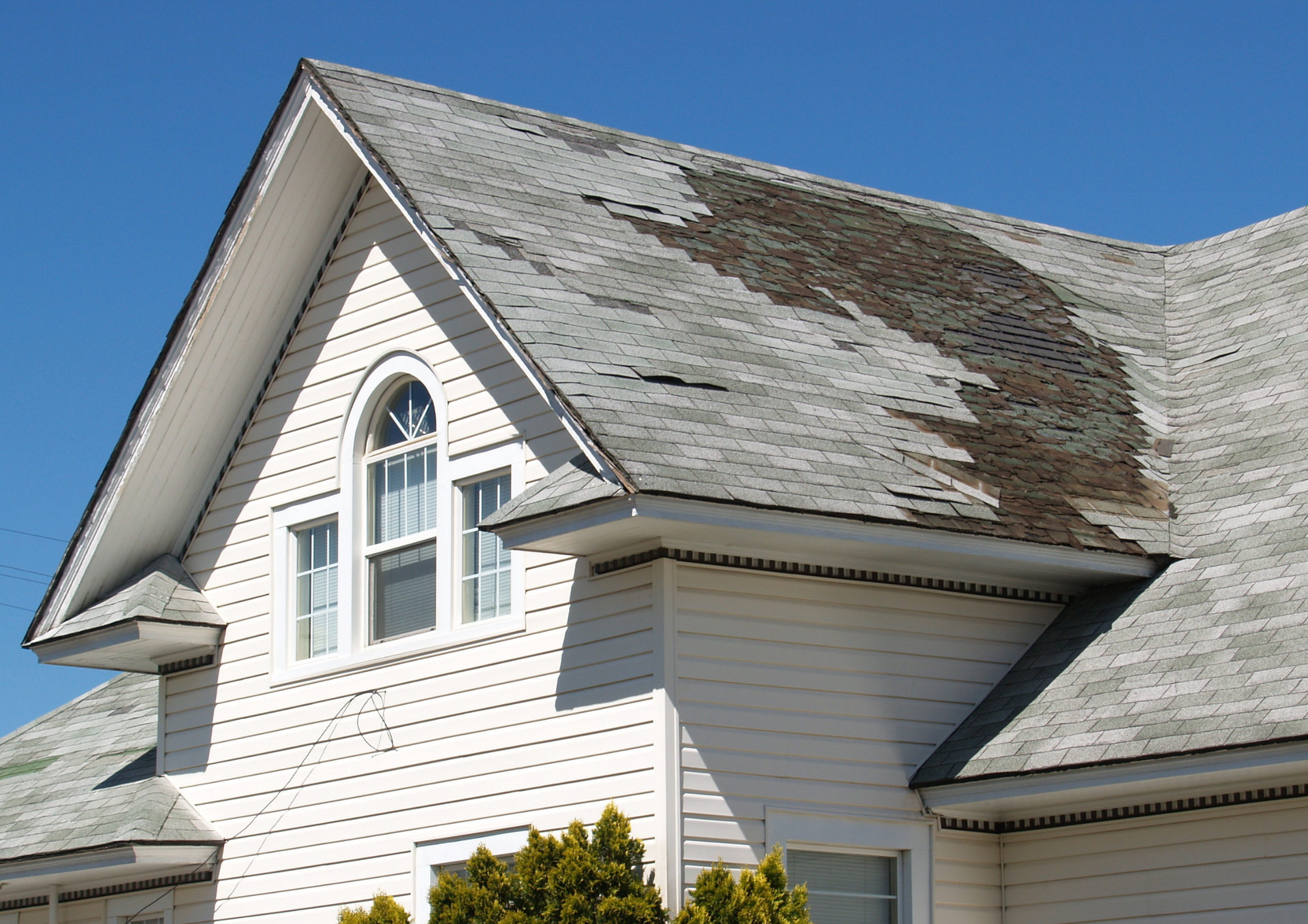
Minor roof problems do not necessarily require extensive work. A slipped tile, small section of damaged flashing or localised defect may be relatively straightforward to address when discovered early. However, apparently minor symptoms can sometimes indicate a wider issue beneath the visible roof covering. Proper assessment is therefore important before deciding what work is actually required.
When obtaining a roof estimate, property owners should expect the condition of the existing structure to play an important role. A contractor may need to consider the roof covering, underlay, battens, flashing, valleys, ridge details, gutters and other associated components. Access may also need to be assessed before an accurate scope of work can be prepared.
Labour is another significant factor. A simple task that can be completed safely and efficiently will generally involve fewer working hours than repairs across several areas of a complicated roof. Features such as chimneys, rooflights, dormers, extensions and adjoining roof sections can increase the time required because contractors need to work carefully around existing details.
Scaffolding or other access arrangements can also affect the budget. Even where the repair itself is relatively small, safe access may still be required. The height of the building, position of the property, available space and proximity to neighbouring structures can influence what arrangements are practical.
The cause of the problem matters as well. Replacing a small number of weather-damaged tiles is different from dealing with deterioration that has affected timber or other supporting components. Where moisture has been entering for an extended period, additional work may only become apparent once the affected area is opened.
This is why the cheapest initial quotation is not automatically the most economical long-term option. Property owners benefit from understanding exactly what has been included, what materials are proposed and whether associated defects have been considered. A clear scope makes comparisons between quotations more meaningful.
Key Factors That Influence Replacement Pricing
Replacing an existing roof is a more substantial project because several stages of work may be involved. The existing covering may need to be removed, materials taken away, the underlying structure inspected and new components installed before the final roof covering can be completed.
The roof replacement cost will therefore depend heavily on the scale and complexity of the property. A relatively simple pitched roof can present a different workload from a building with multiple elevations, valleys, dormers, extensions or difficult access. Larger roof areas naturally require more materials and usually involve additional labour.
Several practical factors can influence the overall project:
- Roof size and shape: Larger areas require greater quantities of tiles, slates, membrane, battens and associated materials. Complex shapes can also increase cutting, detailing and installation time.
- Existing roof condition: Removing the covering may reveal damaged battens, deteriorated timber or other defects that require attention before new materials can be installed.
- Material selection: Concrete tiles, clay tiles, natural slate and alternative systems have different material and installation requirements. The choice should suit the building as well as the available budget.
- Access and scaffolding: Building height, narrow side access, conservatories, extensions and neighbouring properties can affect how workers and materials reach the roof safely.
- Roof details: Valleys, chimneys, rooflights, leadwork, ventilation points and junctions require additional care and can increase labour requirements.
- Waste handling: Old materials need to be removed from the working area and dealt with appropriately, which should be considered within the wider project plan.
- Weather and scheduling: Larger projects need to be organised carefully so that the property remains appropriately protected while work progresses.
- Additional improvements: Owners may decide to address ventilation, roofline components or other practical improvements while the main covering is being renewed.
The roof cost can also be affected by decisions made during the planning stage. Choosing a particular covering solely because it has a lower purchase price may not always provide the most appropriate solution. Weight, appearance, expected service life, maintenance requirements and compatibility with the existing building should also be considered.
For properties in Croydon, building type can have a considerable influence on planning and access. Closely spaced terraced houses may present different logistical considerations from detached homes with generous access. Commercial and multi-unit residential buildings can introduce further requirements because of their size, occupancy and roof configuration.
Comparing Materials, Labour and Additional Project Expenses
When considering the average cost of a new roof, broad national figures should therefore be treated as general guidance rather than a guaranteed price for an individual property. Two roofs with a similar surface area may require very different levels of labour if one is straightforward and accessible while the other contains numerous junctions, rooflights and complicated details.
Important areas to consider include:
- Tiles and slates: Different products vary in purchase price, weight, appearance and installation requirements. Matching an existing building may also influence product selection.
- Leadwork and flashing: Chimneys, valleys and roof-to-wall junctions may require specialist detailing to provide effective weather protection.
- Timber repairs: Deteriorated structural or supporting timber can add to the scope where defects are discovered during inspection or removal.
- Roofline components: Fascias, soffits and guttering may sometimes be addressed alongside wider roof work, particularly where existing components are reaching the end of their useful condition.
- Scaffolding: Safe working arrangements are a significant practical consideration and can vary according to building height, layout and surrounding access.
- Labour: Installation time depends on roof size, complexity, materials, preparation and the amount of detailed work involved.
Property owners should also consider whether a quotation clearly distinguishes essential work from optional improvements. Separating these categories can help with budgeting and allow decisions to be made according to the condition of the building and the owner's priorities.
Older properties can present another consideration. Existing construction methods and materials may differ from those used on newer buildings, and previous alterations can sometimes complicate the work. A thorough inspection helps identify these factors before the project progresses too far.
How to Budget for Repairs, Replacement and Sensible Upgrades
A useful roofing budget should allow for the work that is currently visible while recognising that some conditions cannot be fully confirmed until closer inspection or removal begins. This is particularly relevant to older roofs where the visible covering can conceal deterioration beneath.
Understanding roofing cost is easier when a quotation provides enough detail to explain the proposed work. Instead of comparing totals alone, property owners can look at the materials specified, preparation required, access arrangements, labour involved and any additional components included within the project.
Repairs may be appropriate when the wider roof remains serviceable and the problem is confined to a manageable area. Replacing individual tiles, renewing flashing or addressing a local defect can help preserve an otherwise functional roof. The decision should be based on condition rather than automatically assuming that complete renewal is necessary.
Where repeated repairs are occurring across several areas, however, it may be sensible to assess the roof more broadly. Continually addressing individual defects can become disruptive, particularly when scaffolding or other access arrangements are repeatedly required. Understanding the remaining condition of the roof can help owners decide whether continued maintenance remains practical.
Upgrades can sometimes be coordinated with essential work. If scaffolding is already being erected or large areas of the covering are being removed, it may be practical to consider related components at the same time. This does not mean every available improvement is necessary; rather, owners can assess which measures make sense for the property and planned work.
A sensible budget can also include an appropriate contingency for defects that cannot reasonably be identified from an external inspection. Contractors should explain when parts of the structure cannot be assessed until the covering has been removed. Having some flexibility within the budget can reduce difficulties if additional work becomes necessary.
For landlords and organisations responsible for several properties, planned maintenance can be particularly valuable. Keeping records of inspections, repairs and recurring defects helps identify buildings that may require greater attention. This can support longer-term budgeting instead of responding only when a significant problem becomes visible.
Homeowners can take a similar approach by checking the roof periodically, particularly after severe weather or when signs such as displaced materials, damp patches or deteriorated flashing become apparent. Earlier investigation may allow a problem to be addressed before it affects a larger area.
Homeowners, landlords, surveyors and organisations responsible for residential or commercial properties can benefit from looking closely at the scope of proposed work rather than comparing totals in isolation. When considering the new roof cost, understanding what is included, why particular materials are recommended and whether additional work may become necessary can make budgeting more predictable.
Whether a property is in Croydon or elsewhere in the UK, regular inspection and timely maintenance can also help owners make more informed decisions. A well-planned approach allows immediate problems to be addressed while considering the longer-term condition and practical needs of the building.
Roofing Croydon provides clear and practical information for people who want to understand roof repairs, maintenance, replacement and property upgrades without unnecessary technical complexity. Our content is intended for homeowners, landlords, surveyors, local authorities and those responsible for residential or commercial buildings.
We focus on explaining the factors that can influence
roofing cost, from property condition and material selection to access, preparation and ongoing maintenance. Rather than assuming that every roof requires the same solution, our website encourages readers to consider the individual circumstances of the building and understand the questions worth asking before arranging work.
Check out our latest X update explaining
roofing cost for repairs, replacements and property upgrades!
You might also like