How Regular Roofing Services Can Extend Your Property's Roof Lifespan
A roof is one of the most important structural features of any building, providing protection against rain, wind, temperature changes and other environmental conditions. Whether covering a family home, rental property, commercial building or public facility, a well-maintained roof contributes significantly to the safety, comfort and long-term condition of the premises.
However, roofing materials are continuously exposed to changing weather conditions. Heavy rainfall, strong winds, frost, sunlight and accumulated debris can gradually affect their performance. Although many roofing problems develop slowly, minor defects can become more serious when they remain unnoticed or untreated.
Regular roofing services play an important role in identifying deterioration, maintaining essential roofing components and preventing avoidable structural damage. Taking a proactive approach allows property owners to address smaller concerns before they develop into more complicated and expensive problems.
For homeowners, landlords, surveyors and local authorities, maintaining roofing systems is an essential part of responsible property management. Commercial property owners must also consider the potential disruption caused by water penetration, damaged roof coverings and unexpected maintenance requirements.
Properties throughout Croydon experience a mixture of seasonal rainfall, strong winds and fluctuating temperatures. These conditions can affect traditional pitched roofs, modern flat roofing systems and older buildings with ageing materials. Similar challenges occur across the United Kingdom, making preventative maintenance relevant regardless of location
Understanding How Weather and Age Affect Roofing Materials
Roofing materials are designed to withstand prolonged exposure to outdoor conditions, but their durability depends on several factors. Material quality, installation methods, roof design, drainage arrangements, ventilation and maintenance history all influence how effectively a roof performs over time.
Traditional slate and clay tiles can provide many decades of service when properly installed and maintained. Concrete tiles, metal roofing systems and modern flat roof coverings also offer varying levels of durability depending on their construction and exposure. However, no roofing material remains completely unaffected by environmental conditions.
Repeated temperature changes cause roofing components to expand and contract. Over time, this movement can weaken joints, affect seals and contribute to deterioration around vulnerable areas.
Heavy rainfall presents another challenge, particularly when water cannot drain effectively. Blocked gutters, damaged flashing and poorly maintained roof outlets can allow moisture to accumulate or enter areas that should remain dry.
Strong winds may dislodge tiles, loosen ridge components or damage roof edges. Even when the visible damage appears minor, the resulting gaps can expose underlying materials to additional weathering.
In Croydon, properties range from older terraced houses and Victorian buildings to modern residential developments and commercial premises. Different roof structures require different maintenance approaches, particularly where original materials have been retained or previous alterations have affected drainage and ventilation.
A professional roof inspection can help identify visible deterioration, assess vulnerable roofing components and determine whether further investigation is necessary. The findings provide useful information for planning maintenance and understanding the condition of the existing roof.
Ageing roofs may also develop problems that are not immediately visible from ground level.
Underlay materials can deteriorate, timber components may become affected by prolonged moisture exposure, and poorly ventilated roof spaces can experience condensation. These issues may gradually compromise the performance of the overall roofing system.
It is also important to recognise that roof deterioration does not always follow a predictable pattern. Two buildings constructed at the same time may experience different maintenance requirements because of their location, roof orientation, surrounding trees and previous workmanship.
For example, a roof exposed to prevailing winds may experience greater stress around exposed edges. Another roof positioned beneath mature trees may require more frequent attention because of moss growth, falling leaves and blocked drainage channels. Understanding these differences helps property owners avoid relying solely on the age of a roof when assessing its condition.
Instead, the most effective approach combines an understanding of material lifespan with regular observation, appropriate maintenance and professional assessment when concerns arise.
Essential Roofing Maintenance That Helps Prevent Long-Term Damage
Preventative maintenance focuses on preserving the existing roofing system rather than waiting until significant damage develops. Although some maintenance activities appear straightforward, roof structures contain interconnected components that must work together to provide effective weather protection. Keeping these components in suitable condition can reduce unnecessary deterioration and help maintain the building's overall performance.
The following activities are particularly important for residential and commercial properties:
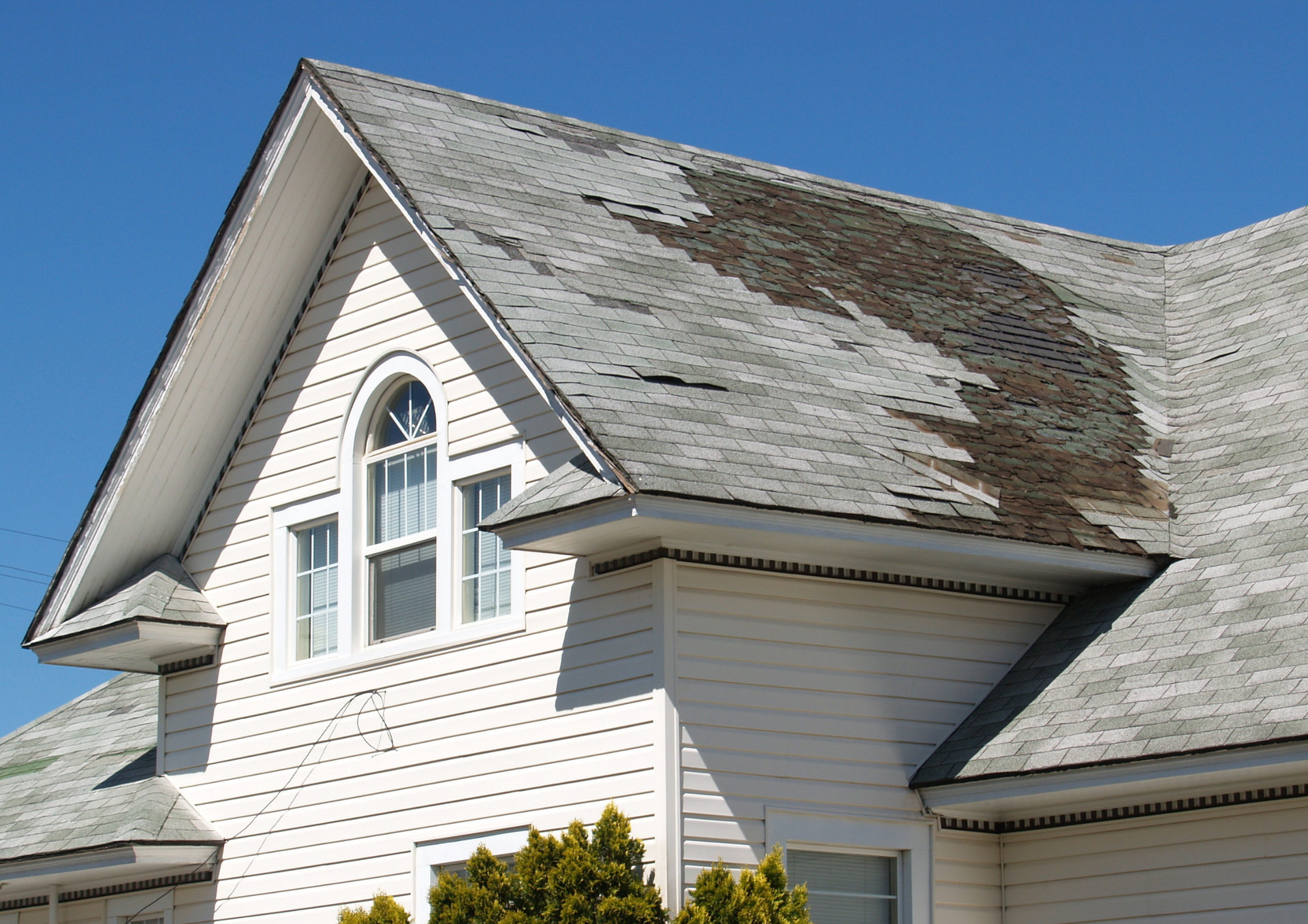
- Checking roof tiles and slates: Missing, cracked, displaced or deteriorating coverings can expose the underlying structure to moisture. Identifying damaged materials early allows appropriate corrective work before water penetration affects surrounding areas.
- Maintaining gutters and downpipes: Gutters direct rainwater away from roofing edges and external walls. Removing leaves, moss and other debris helps prevent overflow, standing water and unnecessary moisture exposure.
- Examining flashing and roof junctions: Chimneys, roof valleys, skylights and adjoining walls contain junctions that require effective weatherproofing. Damaged or poorly fitted flashing can allow rainwater to enter concealed areas of the building.
- Monitoring moss and vegetation: Excessive moss growth may retain moisture, obstruct drainage and conceal defects. Suitable removal methods should be selected according to the roofing material, avoiding techniques that could cause unnecessary damage.
- Checking roof ventilation: Adequate ventilation helps control moisture within roof spaces. Poor airflow can contribute to condensation, timber deterioration and reduced performance of certain roofing components.
- Assessing flat roof drainage: Flat and low-pitched roofs require particular attention around outlets, joints and areas where water collects. Persistent ponding may indicate drainage problems or changes in the roof's surface.
- Reviewing roof edges and ridge details: Ridge tiles, verge components and perimeter fixings are exposed to wind and weather. Their condition should be monitored to identify loose materials or deteriorating joints.
- Observing internal warning signs: Damp patches, discoloured ceilings, peeling decoration and unusual moisture within roof spaces may indicate problems requiring further investigation.
Routine maintenance should be appropriate to the age, design and condition of the building. A modern residential roof may require relatively limited intervention, while an older commercial structure with numerous roof penetrations and drainage outlets may benefit from a more detailed maintenance programme.
For landlords managing several properties, keeping clear maintenance records can help identify recurring defects and support future budgeting.
Surveyors and local authorities may also use roofing condition information when assessing building maintenance priorities, planning refurbishment programmes or reviewing the suitability of existing structures.
When defects are identified, timely roof repair can help prevent isolated damage from spreading to neighbouring components. Addressing a damaged tile, deteriorating flashing detail or localised drainage issue may preserve the wider roofing system when the surrounding materials remain serviceable.
However, the appropriate solution should always reflect the underlying cause of the problem.
Simply replacing a visibly damaged component may not resolve an issue caused by inadequate ventilation, defective drainage or structural movement.
Professional assessment is therefore valuable when symptoms persist or the source of water penetration is uncertain.
Property owners should also avoid unnecessary risks when examining roofs. Working at height involves significant hazards, particularly during wet or windy conditions.
Visual observations from a safe position can provide useful information, but accessing elevated or fragile roofing surfaces should be left to suitably trained professionals using appropriate equipment. A consistent maintenance programme provides a practical foundation for protecting roofing materials and reducing avoidable long-term damage.
How Preventative Care Reduces Costs and Extends Roof Lifespan
Maintaining a roof is not simply about responding to visible defects. It also involves understanding how smaller maintenance decisions influence long-term property expenditure. When minor roofing problems remain unresolved, their effects can extend beyond the original damaged area.
A displaced tile, for example, may initially expose only a small section of the roof. Continued rainfall can allow moisture to reach the underlay, battens, roof timbers or internal surfaces. If the problem remains undetected, additional materials may require attention, increasing the complexity of the work.
The same principle applies to flat roofing systems, where damaged seams, deteriorating surface coverings or blocked drainage outlets may allow moisture to affect insulation and underlying components.
Regular roofing services can help property owners identify these issues before they cause more extensive deterioration. Planned maintenance also provides an opportunity to assess whether individual components remain suitable for continued use. The financial benefits of preventative care are not limited to avoiding larger repairs.
A well-maintained roofing system can contribute to better property management by reducing unexpected disruption, supporting maintenance planning and helping owners make informed decisions about future expenditure.
For homeowners, this may mean arranging smaller maintenance tasks over time rather than facing an unexpected major roofing project. For landlords, proactive maintenance can help reduce disruption to tenants and support the ongoing condition of rental accommodation.
Commercial property owners may benefit from identifying defects before they interfere with business activities, damage stored materials or affect occupied working environments.
Local authorities responsible for schools, community facilities and other public buildings may also benefit from structured maintenance programmes that support responsible management of property assets.
Several practical considerations can help make preventative roofing care more effective:
- Establish a suitable maintenance schedule: Arrange checks according to the roof's age, material, exposure and condition. Older or more complex systems may require closer monitoring.
- Record completed maintenance: Keep details of identified defects, completed work, materials used and professional recommendations. These records can help establish patterns of deterioration.
- Respond promptly to warning signs: Water stains, loose coverings and recurring drainage problems should not be ignored, even when they appear relatively minor.
- Consider seasonal conditions: Autumn leaf fall, winter frost and periods of heavy rainfall can place additional demands on roofing systems. Maintenance planning should account for these changes.
- Evaluate the underlying cause of defects: Repeated problems in the same location may indicate an issue with roof design, drainage, ventilation or previous workmanship.
- Plan for future expenditure: Roofing materials have finite service lives. Setting aside an appropriate maintenance budget can help property owners prepare for necessary work.
- Use appropriate materials and methods: Compatible replacement components and suitable installation techniques help maintain the integrity of the existing roofing system.
- Review professional recommendations carefully: Understanding the condition of the roof and the reasons for proposed work supports better decisions about maintenance priorities.
Although preventative maintenance can extend the useful life of many roofing systems, it cannot prevent every form of deterioration. Materials eventually reach the end of their practical service life, and some roofs may have underlying defects that maintenance alone cannot resolve.
The objective is therefore to preserve serviceable components for as long as reasonably possible while recognising when more substantial work becomes necessary. This balanced approach helps property owners avoid both unnecessary replacement and excessive spending on repeated short-term solutions.
Knowing When Professional Roofing Work or Replacement Is Necessary
One of the most important aspects of roofing maintenance is understanding when routine care is sufficient and when a more comprehensive solution should be considered.
Not every roofing problem requires extensive work. A small number of damaged tiles, a localised flashing defect or a blocked drainage outlet may be resolved without altering the wider roofing structure.
However, repeated water penetration, widespread material deterioration or significant structural concerns may indicate that the existing roof requires more substantial attention. The decision should be based on the condition of the roofing system rather than its age alone.
Some older roofs remain serviceable because they have been properly maintained and constructed using durable materials. Conversely, newer roofs may develop premature problems because of unsuitable installation methods, defective components or inadequate drainage.
Property owners considering roof replacement should evaluate the extent of existing damage, the remaining service life of the materials and whether further localised work would provide a durable solution.
A comprehensive assessment may consider the roof covering, supporting structure, ventilation arrangements, drainage design and any previous alterations. The following signs may indicate that more extensive professional attention is required:
Recurring leaks in multiple areas
Water penetration affecting several locations may suggest widespread deterioration or problems with the overall roofing system. The source should be investigated before deciding on corrective work.
Large areas of damaged roofing material
When substantial sections of a roof contain cracked, displaced or deteriorating coverings, individual repairs may become less practical.
Visible structural movement
Sagging rooflines, distorted surfaces or unusual movement may indicate problems involving supporting components. These conditions require appropriate professional assessment.
Persistent moisture problems
Repeated dampness, condensation or timber deterioration may suggest underlying ventilation or weatherproofing concerns.
Frequent maintenance requirements
When the same roof requires repeated attention within relatively short periods, it may be appropriate to consider whether continued localised work remains cost-effective.
Deteriorating flat roof coverings
Widespread cracking, blistering, open joints or recurring water penetration can indicate that a flat roofing system is approaching the end of its serviceable life.
For homeowners and landlords, understanding these warning signs helps support informed maintenance decisions. Surveyors may need to assess the extent of defects and recommend further specialist investigation where necessary.
Local authorities and commercial property managers may also need to consider operational requirements, maintenance budgets and the potential disruption associated with more extensive work.
When researching roofing companies near me, property owners should look beyond general advertising claims and consider relevant experience, appropriate qualifications, clear written quotations and the suitability of proposed materials.
It is useful to ask how the contractor intends to identify the cause of the problem, what work is included and whether any additional investigation may be required.
For more substantial projects, understanding access arrangements, waste management, building regulations and expected timescales is equally important.
In Croydon, certain properties may also be subject to conservation area requirements, listed building controls or other planning considerations. Owners should check the relevant requirements before making significant alterations to roofing materials or roof structures.
Similar considerations apply to protected buildings and designated areas elsewhere in the UK.
Ultimately, professional roofing work should be guided by the condition and requirements of the individual property. A careful assessment can help determine whether maintenance, targeted corrective work or a more extensive roofing project offers the most appropriate long-term outcome.
Regular roof maintenance is an important part of protecting residential and commercial properties from gradual deterioration and unexpected damage.
Roofing materials face continuous exposure to changing weather conditions, and even durable systems require appropriate attention throughout their service life.
Identifying damaged coverings, maintaining effective drainage, monitoring vulnerable junctions and responding to early warning signs can help prevent minor defects from developing into more extensive problems.
For homeowners, landlords, surveyors and local authorities, preventative maintenance also supports responsible property management and more predictable expenditure.
Properties in Croydon, as well as buildings throughout the United Kingdom, can benefit from a maintenance approach that reflects their age, construction, materials and environmental exposure.
Although every roof will eventually require more substantial attention, regular care can help preserve serviceable components and reduce unnecessary deterioration.
Investing in suitable roofing services is therefore a practical way to support the long-term performance of a roof, protect the building beneath it and make informed decisions about future maintenance requirements.
Roofing Croydon provides a useful starting point for homeowners, landlords, surveyors, local authorities and commercial property owners seeking clear information about roofing maintenance, common defects and long-term property care.
We understand that different buildings present different challenges. A traditional terraced house, a modern residential development, a rental property and a commercial building may each require a different approach to roof maintenance and assessment.
Our website focuses on providing straightforward, practical guidance that helps readers understand roofing problems and recognise when professional attention may be necessary.
We aim to explain important considerations without unnecessary technical complexity or exaggerated claims, allowing property owners to approach maintenance decisions with greater confidence.
Our content covers common causes of roofing deterioration, preventative maintenance practices, material considerations and factors that may influence the scope of professional work.
We also recognise the importance of clear communication when considering roofing projects. Understanding the condition of a roof, the purpose of proposed work and the potential long-term implications can help property owners make better-informed choices.
Whether you are maintaining a family home, managing rental accommodation, assessing a commercial property or planning improvements to an older building, our website offers helpful information relevant to your requirements.
Our approach emphasises responsible maintenance, realistic expectations and the value of identifying problems before they become more difficult to manage.
By making roofing information accessible and practical, we aim to support property owners throughout Croydon and surrounding areas while offering guidance that remains useful across the wider United Kingdom.
Check out our latest X update exploring how regular
roofing services can extend your property's roof lifespan and help prevent costly damage!
You might also like