Professional Roofers for Fascia and Soffit Property Maintenance
Fascia and soffit systems play an important role in protecting residential and commercial properties from moisture, poor ventilation, and long-term structural wear. These roofline components are often overlooked until visible problems begin to appear, yet they contribute significantly to maintaining the condition and appearance of a property throughout the year.
Many property owners rely on professional roofers to help identify early warning signs and support ongoing maintenance that helps prevent avoidable damage and unnecessary disruption.
Understanding The Importance Of Fascia And Soffit Maintenance
Roofline components are exposed to changing weather conditions throughout the year, including heavy rainfall, freezing temperatures, direct sunlight, airborne debris, and general ageing. Over time, this exposure can lead to gradual wear affecting fascias, soffits, guttering, and surrounding roofing materials.
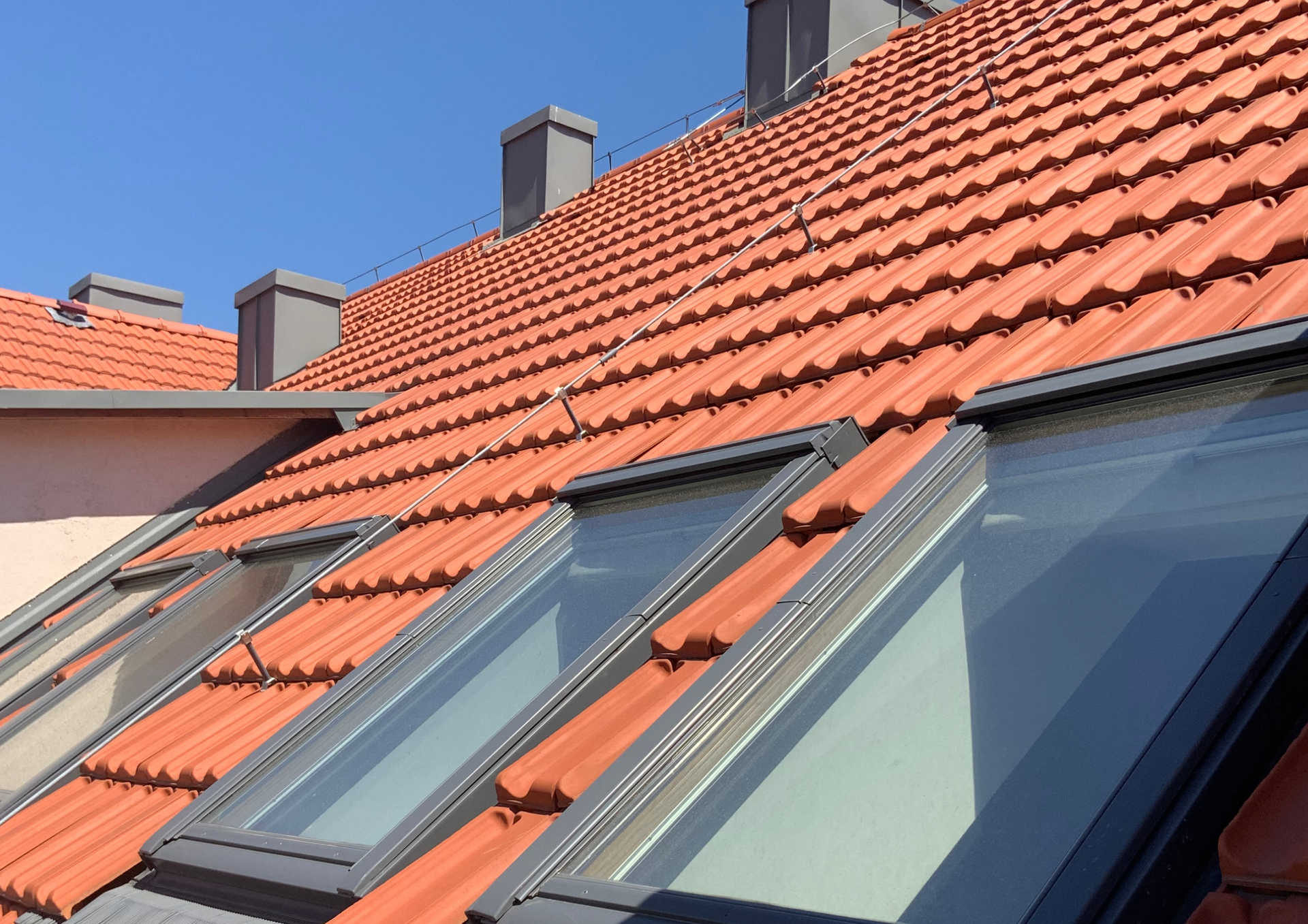
Fascia boards play an important role in supporting guttering systems, and when they begin to weaken, water may overflow onto walls, pathways, and foundations, potentially contributing to staining, moisture build-up, and exterior deterioration. Soffits help maintain ventilation within the roof structure, supporting airflow that reduces condensation and moisture accumulation in loft spaces.
Regular maintenance may involve checking for cracks, loose boards, blocked ventilation openings, water penetration, and damaged fittings around the roofline. Many property owners searching for roofing near me often look for practical roofline maintenance solutions that help support effective drainage, improve ventilation, and maintain the overall appearance and structural performance of residential and commercial properties.
Common Warning Signs Property Owners Should Not Ignore
Roofline problems are often easier to manage when identified early, as small defects can gradually develop into more serious structural concerns over time. Common warning signs may include sagging guttering, peeling surfaces, damp patches, overflowing rainwater, discolouration, or visible gaps around fascias and soffits.
Many property owners contact roofers following heavy rainfall or storms to help identify developing issues before they become more disruptive. Older properties and buildings exposed to trees, busy roads, or open weather conditions may experience faster roofline deterioration due to debris accumulation and constant environmental exposure.
Moisture retention caused by blocked gutters, moss, leaves, and dirt can gradually affect roofline materials and surrounding roofing components. Maintaining a clean and functional roofline helps support effective drainage, preserve the appearance of the property, and protect the overall condition of residential and commercial buildings throughout the year.
The Relationship Between Roofline Maintenance And Overall Roofing Performance
Fascia and soffit systems work alongside other roofing components to help protect buildings from weather exposure and moisture-related damage. When roofline maintenance is delayed, problems such as weakened fascias or damaged guttering may eventually affect external walls, roof timbers, insulation, and internal ceilings.
Regular inspections and preventative maintenance help identify developing concerns early, reducing the likelihood of more disruptive roofing issues over time. Visible roofline deterioration can sometimes indicate additional concerns such as loose tiles, flashing wear, drainage problems, or areas requiring flat roof repair.
Proper ventilation within the roof structure also supports airflow and helps reduce condensation build-up within loft spaces. Residential properties, offices, schools, retail premises, and managed housing developments can all benefit from routine roofline inspections, while many property owners prefer working with local roofers familiar with regional weather conditions and common property styles.
Practical Maintenance Guidance For Residential And Commercial Properties
A proactive approach to roofline maintenance can help support the long-term condition of residential and commercial properties while reducing the likelihood of disruptive structural problems developing over time. Regular inspections allow property owners to identify issues early, particularly following strong winds, heavy rainfall, or falling debris that may affect gutter alignment, fixings, or roofline stability.
Basic visual checks may include monitoring for overflowing water, sagging guttering, staining near the roof edge, moisture build-up, cracked boards, or blocked soffit ventilation areas. Commercial buildings and larger properties may benefit from more frequent inspections due to increased exposure to environmental wear and higher levels of public use.
Regular gutter cleaning also remains important, as accumulated debris can restrict drainage and place additional strain on fascia systems during prolonged rainfall. Many roofing companies recommend routine roofline inspections to help ensure ventilation systems, joints, fittings, and drainage components continue functioning effectively while supporting the long-term condition of residential and commercial properties throughout the year.
Roofing Croydon focuses on providing clear, practical, and informative roofing guidance for property owners seeking dependable information about roof maintenance and exterior property care. Our content is written to support homeowners, landlords, surveyors, and local authorities with straightforward advice that is easy to understand and relevant to both residential and commercial properties.
We prioritise professional standards, helpful information, and realistic maintenance guidance without unnecessary technical language or exaggerated claims. Whether researching roofline maintenance, drainage concerns, or general roofing upkeep, many property owners turn to experienced roofers for dependable support and practical guidance that helps them make informed decisions with confidence.
Just out on X: Professional
skip hire support for rubble and roofing waste.
You might also like