Why Roofing Contractors Are Important for Property Maintenance
A roof is one of the most important protective elements of any building. It provides a barrier against rain, wind, changing temperatures and other environmental conditions while helping to protect structural materials and internal spaces. Despite this important role, roof care can sometimes receive less attention than other areas of property maintenance until a visible problem develops.
Professional roofing contractors have an important role in helping homeowners, landlords, surveyors and local authorities understand and maintain the condition of residential and commercial roofs. Appropriate inspections and timely maintenance can identify deterioration before it progresses and help property owners make informed decisions about work that may be required.
Properties throughout Croydon experience changing British weather throughout the year. Periods of heavy rainfall, strong winds, colder temperatures and seasonal changes can gradually affect tiles, slates, membranes, flashing, gutters and other roof components. Similar conditions affect properties throughout the UK, making regular roof care relevant regardless of location.
A planned approach to maintenance can make roofing problems easier to manage. Rather than waiting for water to enter a building or materials to become significantly damaged, owners can monitor the condition of their property and arrange appropriate attention when warning signs appear.
Identifying Roofing Problems Before They Become More Serious
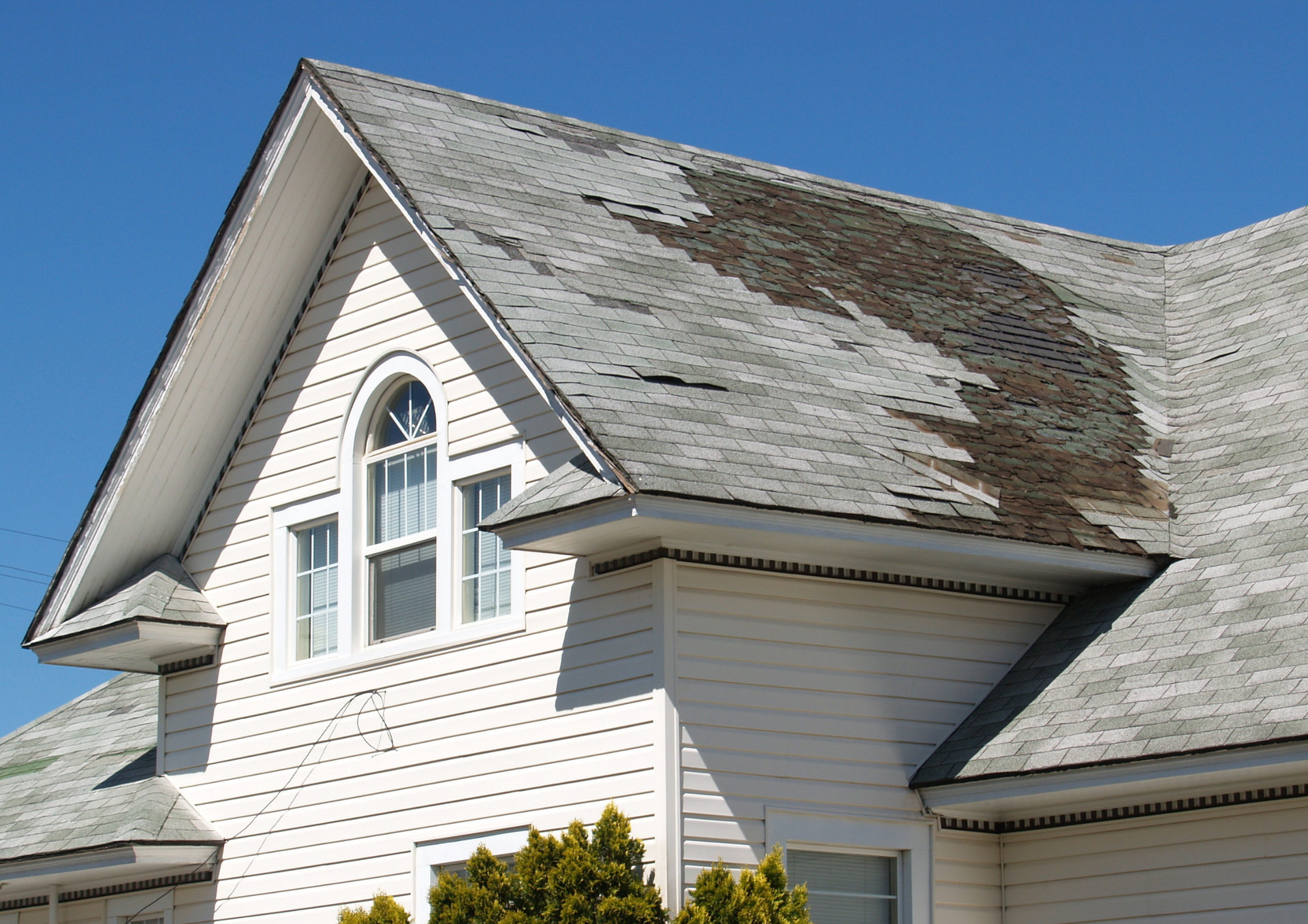
Many roof problems begin with relatively minor defects. A displaced tile, small crack or deteriorating joint may initially cause little noticeable disruption. However, continued exposure to rain and wind can allow the affected area to worsen and potentially expose surrounding materials.
Water ingress can be particularly difficult to identify because the point where moisture becomes visible inside a building may not be directly beneath the original defect. Water can travel along structural components or roofing materials before appearing on a ceiling or wall. This makes careful assessment important when investigating the source of a problem.
Property owners searching for roofing contractors near me may have noticed warning signs such as missing materials, damp patches, overflowing gutters or deterioration around chimneys and roof edges. Having these concerns examined at an early stage can help establish their cause and determine whether maintenance is required.
There are several warning signs property owners can monitor:
- Missing or displaced tiles: Gaps within a roof covering can leave underlying areas more exposed to rain and wind.
- Cracked tiles or slates: Damaged materials may become less effective at directing rainwater away from vulnerable areas.
- Deteriorated flashing: Damage around chimneys, walls, rooflights and other junctions can create areas requiring closer attention.
- Water staining: New marks on ceilings or upper walls can indicate moisture entering somewhere within the roof system.
- Overflowing gutters: Leaves, moss and other debris can restrict water flow and cause drainage problems.
- Sagging sections: Noticeable changes in the shape or alignment of a roof should be investigated to determine the possible cause.
- Loose mortar: Cracked or deteriorating mortar around ridges and other sections can indicate maintenance requirements.
- Flat roof surface changes: Splits, lifting edges, damaged seams or unusual surface deterioration may require further assessment.
Discovering one of these signs does not necessarily mean that extensive work will be needed. In many situations, a localised defect may be addressed before surrounding areas become affected. The appropriate response depends on the condition, location and extent of the problem.
The age of a building can also influence its maintenance requirements. Older properties may contain materials that have experienced decades of exposure to changing weather. Some components may remain in satisfactory condition while others deteriorate sooner, which is why age alone should not determine the work required.
Severe weather provides another reason to observe roof condition. Strong winds may move tiles or other materials, while prolonged rainfall can expose drainage weaknesses. Property owners can perform basic observations from a safe ground-level position after periods of difficult weather and arrange further assessment when anything unusual becomes visible.
Early attention is particularly useful for landlords and organisations managing several buildings. A minor defect that goes unnoticed at one property can become more disruptive over time. Incorporating periodic observations into general maintenance routines can make it easier to identify changes and prioritise attention appropriately.
Supporting the Long-Term Condition of Residential and Commercial Roofs
Effective roof maintenance involves much more than responding to visible leaks. A roofing system consists of numerous components working together to protect the building. Roof coverings help direct water away, flashing protects vulnerable junctions, drainage components manage rainfall, and supporting materials contribute to the overall performance of the structure.
Established roofing companies may work with a wide variety of roof types, including tiled pitched roofs, slate systems and flat roofing. Each construction method has its own maintenance considerations, making it important to assess the individual materials, design, drainage arrangements and condition of a building rather than relying on a standard approach.
Regular roof care can provide several practical benefits:
- Earlier detection of deterioration: Routine observation can reveal changes before they develop into obvious internal problems.
- Better maintenance planning: Understanding the condition of different roof areas allows work to be prioritised according to urgency.
- Protection of surrounding materials: Addressing a defect promptly can help prevent moisture or deterioration from affecting neighbouring components.
- Effective rainwater management: Maintaining valleys, gutters and outlets helps water move away from the building as intended.
- Seasonal preparation: Periodic checks can highlight vulnerable areas before periods of heavy rain, stronger winds or colder weather.
- More appropriate decisions: Understanding the extent of a defect makes it easier to determine whether localised attention or more extensive work is suitable.
- Improved property records: Keeping information about previous maintenance can help owners understand how different parts of the roof have performed.
- Greater awareness: Routine assessment gives property managers a clearer picture of the overall condition of the building.
Residential properties can have very different requirements depending on their age, design and previous alterations. Extensions, loft conversions, rooflights and changes in roofing materials can introduce additional joints and junctions that may need periodic observation.
Landlords responsible for multiple properties may find planned maintenance particularly useful. Keeping records of previous inspections and work can make it easier to understand which buildings or roof sections require attention and which remain in satisfactory condition.
Commercial buildings may present different challenges. Large roof areas, multiple drainage outlets, ventilation equipment and other installations can make inspections more involved. Access arrangements may also need greater consideration, particularly where maintenance takes place around normal business activities.
Surveyors and local authorities can similarly benefit from structured roof care. Buildings under their responsibility may vary considerably in age, construction and use. Clear information about visible defects can support maintenance planning and help determine which areas should receive attention first.
Seasonal changes should also form part of long-term planning. Autumn leaves can accumulate in drainage systems, colder conditions can expose existing weaknesses, and strong winds may disturb roof coverings. Spring provides an opportunity to review how materials have performed through winter, while checks before wetter months can help identify drainage concerns.
A consistent approach allows property owners to understand how a roof changes over time. Instead of viewing each defect as an isolated problem, maintenance records and periodic observations can provide a broader picture of how different materials and sections are performing.
Choosing Suitable Professional Help for Your Property
Selecting suitable roofers is an important part of maintaining a property. Clear communication should be central to the process, allowing owners and managers to understand what has been identified, why attention may be required and what work is being recommended.
A proper assessment should consider more than the most obvious symptom. For example, a damp patch inside a property may have originated some distance away from where it eventually became visible. Examining the surrounding roof area can therefore be important when trying to establish the source of moisture.
Clear quotations are also valuable. Property owners should be able to understand the general scope of proposed work, which areas will receive attention and what materials may be required. When comparing quotations, it is useful to consider the work being proposed rather than looking exclusively at the final figure.
The type of property should influence the approach. Croydon contains a broad mixture of traditional homes, terraced properties, modern developments, commercial premises and public buildings. These can include pitched roofs, flat sections, extensions, chimneys, valleys and rooflights, each with different maintenance considerations.
The same principle applies beyond Croydon. Building designs vary considerably between locations, and two properties of a similar age may have completely different roofing systems. A suitable assessment should therefore focus on the characteristics of the individual building.
Access conditions also need consideration. Conservatories, extensions, narrow spaces, neighbouring buildings and roof height can influence how maintenance or repairs are approached. Commercial premises may require additional planning to reduce disruption to normal activities.
Property owners can also ask whether other visible concerns have been identified during an assessment. Even if these areas do not require immediate attention, knowing that they should be monitored can help with future maintenance planning.
Good communication remains useful once work begins. Understanding what is being carried out and whether any additional findings have emerged helps owners remain informed throughout the process. After work is completed, keeping a record of what was addressed can provide useful information for future property maintenance.
Professional assistance is particularly valuable when safe access is required. Roof surfaces may be steep, slippery or fragile, and attempting to investigate problems without appropriate equipment can create unnecessary risks. Owners can make useful observations from the ground or inside the property, but closer investigation should be approached with suitable care and experience.
Creating a Practical Routine for Ongoing Roof Maintenance
Working with local roofing companies can form part of a broader maintenance strategy, but property owners can also take simple steps to monitor their buildings between professional assessments. Regular observation can help identify changes and provide useful information when further investigation becomes necessary.
A practical maintenance routine may include checking the roof visually from ground level after severe weather. Missing materials, unusual debris or obvious changes around ridges and roof edges can sometimes be noticed without accessing the roof itself.
Internal areas should also be observed. Loft spaces, upper ceilings and walls can show early signs of moisture, particularly after prolonged rainfall. New staining, damp patches or unusual changes should not automatically be assumed to have a particular cause, but they can indicate that further investigation is appropriate.
Drainage systems deserve particular attention because they play an important role in directing rainwater away from the property. Gutters and outlets can become blocked by leaves, moss and other debris, particularly during autumn. Restricted drainage may cause water to overflow and affect fascia boards, external walls or surrounding areas.
Nearby trees can influence maintenance requirements as well. Leaves and small branches may collect in valleys, gutters and lower roof sections. Properties surrounded by mature vegetation may therefore require more frequent observation of drainage areas.
Flat roofs have their own considerations. Water needs to move effectively towards drainage points, while seams, edges and penetrations can require periodic attention. Any visible pooling, surface deterioration or damaged joints should be investigated rather than ignored.
Pitched roofs may show different signs, including displaced tiles, damaged ridges or deterioration around flashing and valleys. Owners should avoid climbing onto the roof to investigate these areas themselves, particularly where safe access equipment and experience are required.
Keeping simple maintenance records can be particularly useful for landlords, surveyors, commercial property managers and local authorities. Recording when checks took place, what concerns were identified and what work was completed can make it easier to understand the history of a building.
Regular maintenance does not mean that every roof requires constant work. Instead, the purpose is to develop awareness of its condition and respond appropriately when changes occur. Some areas may remain satisfactory for many years, while others may need occasional attention because of their position, materials or exposure to weather.
By making roof care part of general property management, owners can move away from relying entirely on reactive maintenance. Periodic observation, sensible record keeping and appropriate professional assessment provide a practical way to manage roofing requirements over the longer term.
Professional
roofing contractors are an important part of responsible property maintenance because roofing systems are continually exposed to changing weather and gradual wear. Regular observation and appropriate attention can help identify deterioration earlier and provide property owners with a clearer understanding of the condition of their buildings.
Homeowners, landlords, surveyors and local authorities can all benefit from treating the roof as part of routine property management. Monitoring drainage, checking for visible changes after severe weather and responding to warning signs can help prevent smaller defects from being overlooked.
Whether a property is located in Croydon or elsewhere in the UK, a planned approach to roof care can support residential and commercial buildings over the long term. Understanding the condition of individual components makes it easier to prioritise maintenance and make informed decisions when work becomes necessary.
Roofing Croydon provides practical support for homeowners, landlords, property professionals, local authorities and those responsible for residential and commercial premises. We understand that every property has different materials, designs, access arrangements and maintenance requirements, which is why our approach focuses on the individual condition of each roof.
We aim to provide clear communication from the initial assessment through to any work that may be required. As experienced roofing contractors, we examine visible concerns carefully and explain our findings in straightforward terms, helping customers understand what needs attention and what may simply require future monitoring.
Our knowledge of properties throughout Croydon allows us to consider different building styles and roofing systems while maintaining a practical approach that can be applied to a wide variety of properties. We focus on dependable assistance, careful workmanship and sensible maintenance solutions designed around the needs of the individual building.
Check out our latest X update on why
roofing contractors are important for effective property maintenance!
You might also like