Roof Maintenance Tips for Older Properties for Long-Term Care
Older buildings possess a level of character and craftsmanship that modern construction often cannot replicate. Whether it is a Victorian terrace, an Edwardian semi-detached home, a converted commercial building or a period cottage, the roof plays a crucial role in protecting the entire structure. Years of exposure to changing weather conditions, natural ageing and environmental factors mean that older roofs require more attention than newer installations.
For homeowners, landlords, surveyors and local authorities responsible for residential and commercial properties, understanding how to care for an ageing roof can help prevent avoidable deterioration while preserving the building's overall condition. Routine maintenance not only supports the longevity of roofing materials but also allows smaller issues to be identified before they become more disruptive.
Many roofing systems found on older buildings were constructed using traditional materials that remain remarkably durable when properly maintained. However, even the highest-quality slate, clay tiles, timber structures and lead flashings naturally experience wear over time. Regular inspections and appropriate maintenance provide an opportunity to preserve these materials without unnecessary replacement.
Seeking advice from experienced Roofers can also help identify maintenance priorities suited to the age and construction of your property, ensuring any work complements the original structure rather than compromising it.
Understand the Condition of an Older Roof
Understanding the condition of an older roof begins with a thorough assessment. Every property has its own history, and years of weather exposure, previous repairs and structural alterations all influence how the roof performs today. Organising inspections into key categories helps property owners identify potential issues more effectively and prioritise maintenance where it is needed most.
External Roof Inspection
- Professional roofers can often identify early warning signs during external inspections.
- Check for slipped, cracked or missing roof tiles.
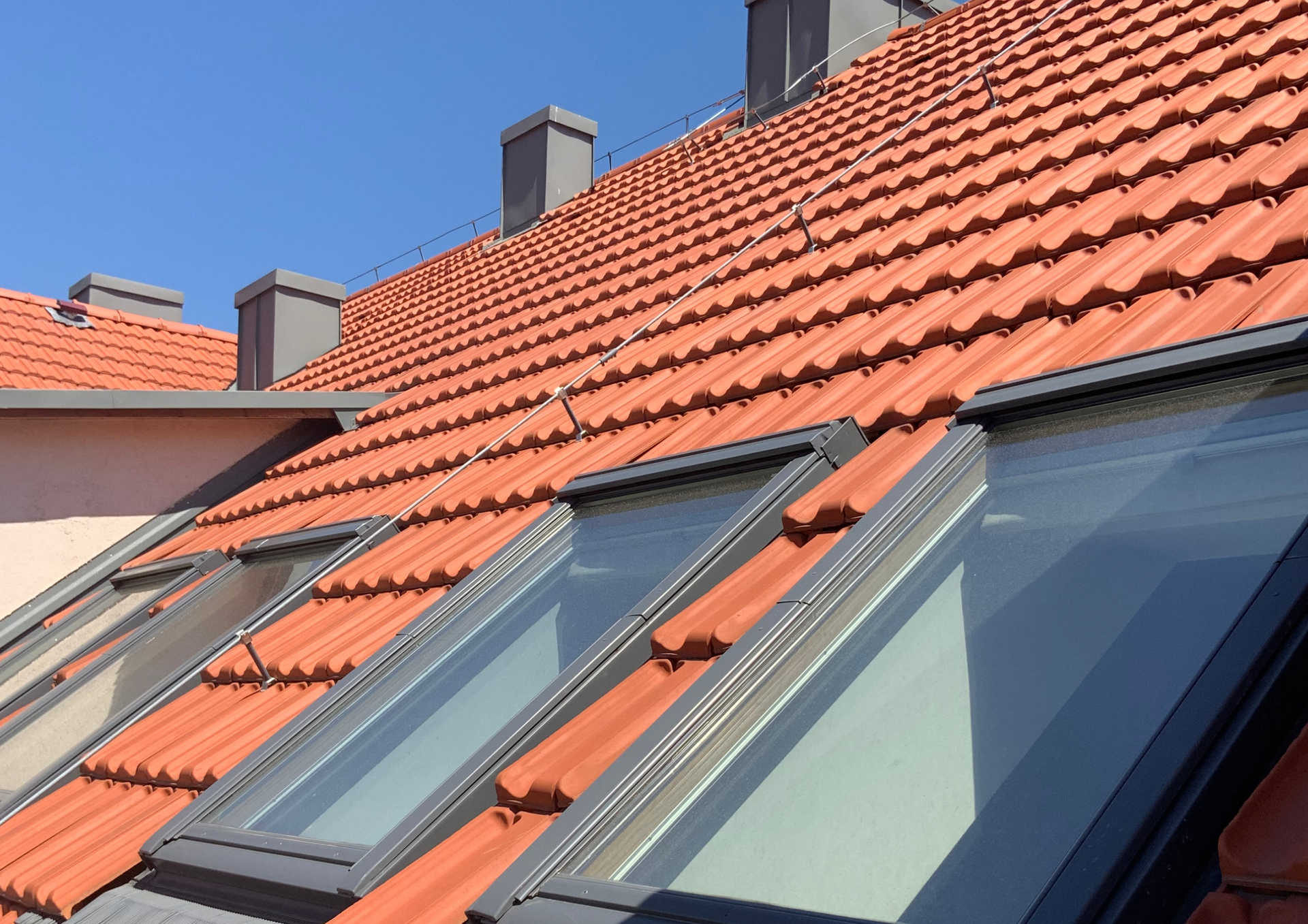
- Look for damaged ridge tiles, deteriorating mortar and worn flashing.
- Inspect valleys for debris build-up that may restrict water drainage.
- Remove excessive moss growth, as it can retain moisture against roofing materials.
- Address minor defects promptly to reduce the risk of moisture entering the roof structure.
Internal Roof Space Inspection
- Examine the loft or roof space for daylight showing through gaps.
- Check insulation for signs of dampness or moisture.
- Look for water stains on timber or roof coverings.
- Monitor for condensation that may indicate poor ventilation or developing issues.
Structural Assessment
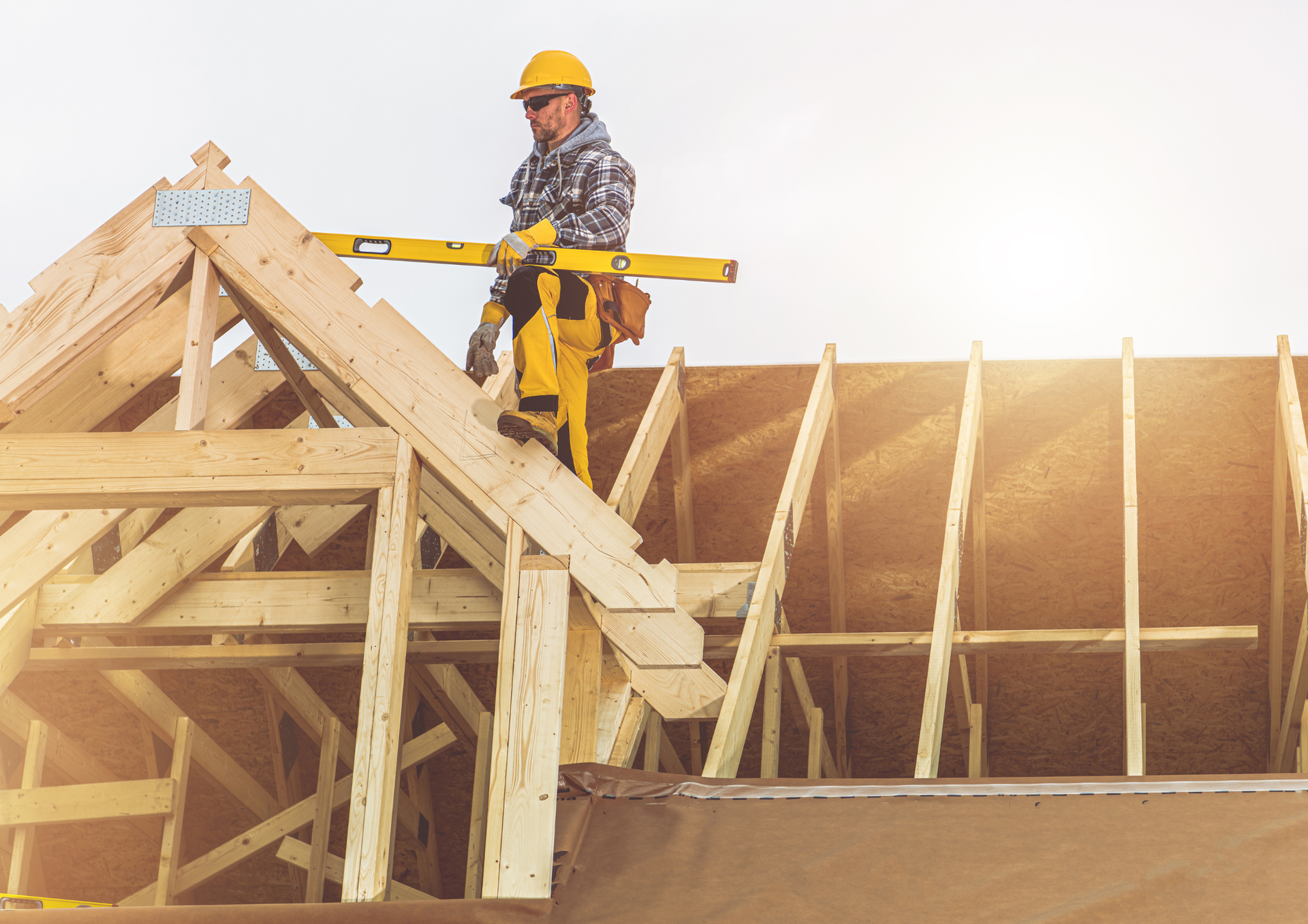
- Inspect timber rafters and supporting framework for signs of ageing.
- Check for movement, distortion or moisture-related deterioration.
- Ensure the roof structure continues to provide stable support for roofing materials.
Seasonal Weather Checks
- Inspect the roof after periods of strong winds.
- Check for drainage issues following prolonged rainfall.
- Examine mortar and pointing after freezing weather for signs of cracking or deterioration.
- Carry out seasonal inspections to identify changes before they become more significant.
Preserving Original Features
- Recognise that older roofs naturally display signs of ageing.
- Avoid replacing traditional materials unnecessarily where they remain serviceable.
- Focus on maintaining the roof's protective performance while respecting the property's original construction and character.
Prevent Small Problems from Becoming Major Repairs
Routine roof maintenance helps prevent relatively minor issues from developing into larger, more disruptive problems. By focusing on key areas throughout the year, property owners can maintain the condition of older roofs while reducing the likelihood of avoidable deterioration.
Rainwater Management
- Keep gutters, valleys and downpipes free from leaves, moss and other debris.
- Check that rainwater flows freely through the drainage system.
- Address blockages promptly to help protect external walls, fascias and roof edges from prolonged water exposure.
Moss and Vegetation Control
- Monitor moss growth regularly, particularly on shaded roof slopes.
- Remove excessive moss using suitable methods to reduce moisture retention.
- Prevent vegetation from contributing to the gradual deterioration of roofing materials.
Lead Flashings
- Inspect flashings around chimneys, roof junctions and abutments.
- Look for loose fixings, small gaps or signs of weather-related wear.
- Arrange periodic inspections to ensure flashings continue providing effective weather protection.
Chimney Maintenance
- Check mortar joints, coping stones and flashing around chimneys.
- Repair minor defects before moisture can enter surrounding roof structures.
- Monitor signs of weathering that may affect long-term performance.
Roof Ventilation
- Maintain suitable airflow within roof spaces to minimise condensation.
- Check that ventilation openings remain unobstructed.
- Support the long-term condition of structural timbers by reducing excess moisture.
Tree Management
- Trim overhanging branches that may deposit leaves onto the roof.
- Reduce excessive shade that encourages moss growth.
- Minimise the risk of branches causing damage during strong winds.
Planned Maintenance Schedule
- Arrange regular inspections to monitor the roof's overall condition.
- Prioritise minor repairs before they become more extensive.
- Planned maintenance helps homeowners, landlords and organisations manage property upkeep more effectively while reducing the likelihood of unexpected repairs.
Preserve Traditional Roofing Materials Correctly
Older properties frequently feature roofing materials that require specialist understanding, making experienced roofers an important part of preserving their condition. Maintaining traditional materials appropriately often delivers better long-term results than replacing them unnecessarily.
Natural slate remains one of the longest-lasting roofing materials available. Individual slates occasionally slip due to fixing deterioration rather than the slate itself reaching the end of its useful life. Replacing isolated slates where necessary helps preserve the original roof without extensive intervention.
Clay tiles similarly offer impressive durability. Although individual tiles may crack over time, widespread replacement is not always necessary if the majority remain in good condition. Careful maintenance allows much of the original roof covering to continue performing effectively.
Traditional mortar bedding on ridge tiles and verges should also be observed periodically. Ageing mortar naturally experiences gradual weathering, making occasional repairs beneficial in maintaining overall stability.
Timber elements including rafters, battens and fascia boards should be inspected whenever roof maintenance is undertaken. Detecting moisture ingress early allows affected areas to be addressed before more extensive deterioration develops.
Many older buildings also incorporate decorative roofing features that contribute to their architectural character. Finials, ornamental ridge tiles and traditional detailing deserve careful maintenance to preserve both appearance and functionality.
Where maintenance work becomes necessary, selecting suitable materials remains important. Compatible replacement products help maintain the roof's performance while respecting the original style of the building.
When seeking professional guidance, many property owners begin by searching for roofing companies near me to compare local experience with traditional roofing systems before arranging an inspection.
In some situations, isolated defects on lower roof sections may require flat roof repair where extensions, garages or commercial additions have been added to older buildings using different roofing materials.
Plan Ongoing Maintenance for Long-Term Protection
Planned maintenance is the key to extending the lifespan of an older roof. Rather than waiting for visible problems to develop, a structured maintenance programme helps property owners identify issues early, preserve roofing materials and maintain the long-term performance of the building.
Schedule Regular Inspections
- Arrange annual roof inspections as part of routine property maintenance.
- Carry out additional checks after severe weather to identify any new damage.
- Regular inspections help detect issues before they become more significant.
Keep Maintenance Records
- Record inspection dates, observations and completed maintenance work.
- Monitor gradual changes to the roof over time.
- Maintenance records are particularly useful for landlords, surveyors and organisations managing multiple properties.
Use Appropriate Cleaning Methods
- Clean roofing materials only when necessary and using suitable techniques.
- Avoid aggressive cleaning methods that may damage traditional roofing materials.
- Gentle maintenance helps preserve the condition and appearance of older roofs.
Ensure Safe Roof Access
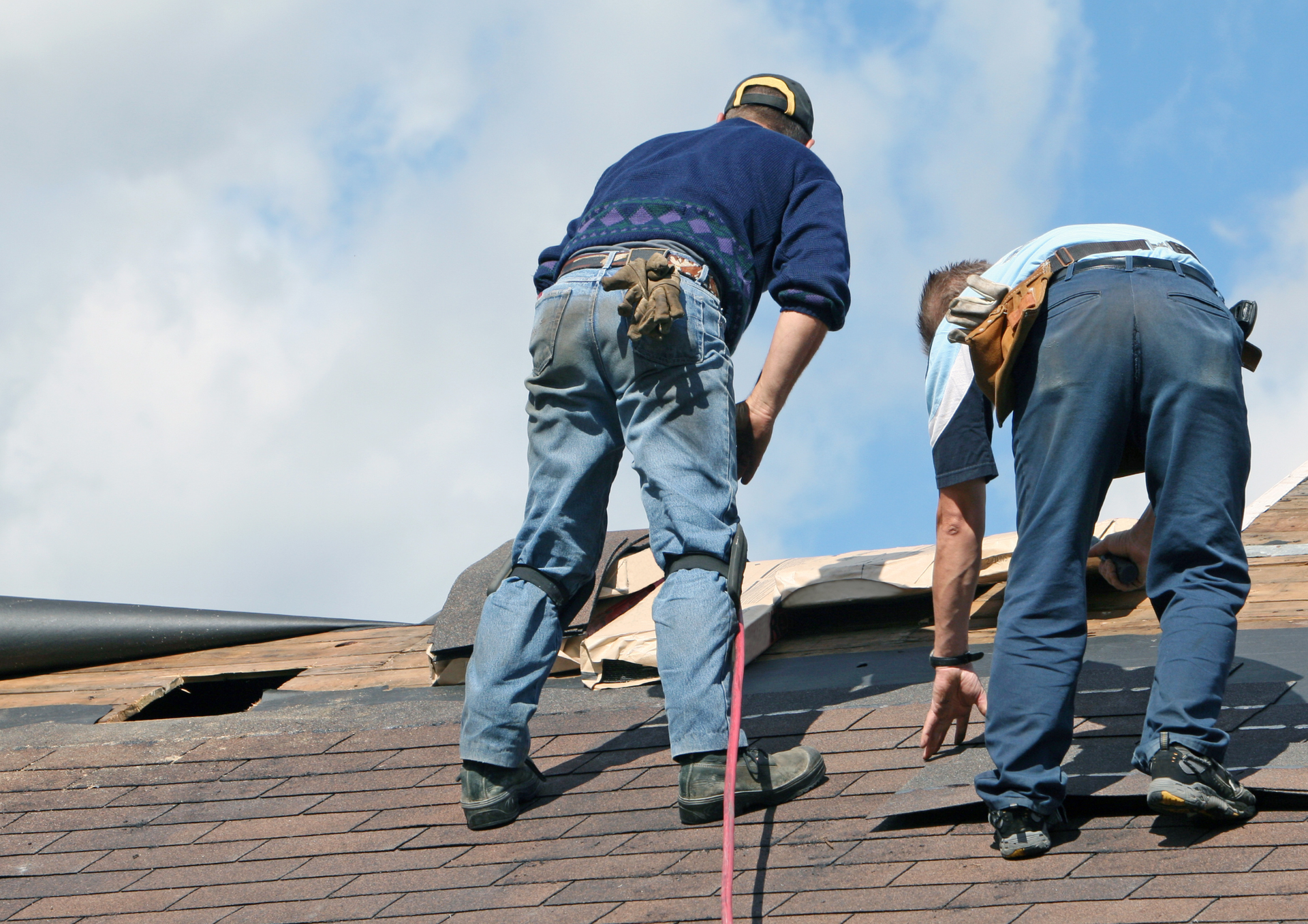
- Avoid walking directly on fragile roofing materials wherever possible.
- Use appropriate access methods to reduce the risk of accidental damage.
- Safe access also helps inspections and maintenance be carried out more effectively.
Watch for Internal Warning Signs
- Look for ceiling stains, peeling paint or wallpaper, damp patches and unusual odours.
- Investigate internal signs promptly, as they may indicate developing roof-related issues.
- Early action can help prevent more extensive deterioration.
Protect Long-Term Property Value
- Consistent maintenance helps preserve the roof's protective function.
- Well-maintained roofs contribute to the overall condition and longevity of residential and commercial properties.
- Preventative care also helps reduce the likelihood of avoidable structural moisture problems.
When planning future maintenance, obtaining roofing quotes allows property owners to understand the scope of recommended work and organise maintenance more effectively.
Many people also begin by searching for roofers in my area when looking for experienced professionals to assess and maintain older residential and commercial roofs.
Roofing Croydon understands the unique maintenance requirements of older roofs across residential and commercial properties. We take a careful, professional approach that focuses on preserving existing roofing materials wherever practical while identifying maintenance needs clearly and honestly. Our team works with homeowners, landlords, surveyors and local authorities, providing dependable guidance and high-quality workmanship suited to traditional and modern roofing systems alike.
We believe that preventative maintenance is one of the most effective ways to extend the lifespan of a roof, helping property owners make informed decisions with confidence. Whether your building requires routine inspections, planned maintenance or specialist roofing advice, We are committed to delivering reliable service with attention to detail and a strong focus on long-term roof performance.
Read our latest X update to discover practical
Roofers maintenance tips for older properties and long-term care!
You might also like