Roofers Guide to Roof Load Capacity and Structural Safety UK
Roof load capacity is a critical but often overlooked aspect of roof performance. Every roof is designed to carry a specific weight, including tiles, underlays, fixings, insulation, and environmental loads such as rainwater.
Professional roofers assess more than visible surface condition; they also consider how added weight, weather exposure, and ageing materials influence a roof’s ability to perform safely. For homeowners, landlords, surveyors, and local authorities managing residential and commercial properties, awareness of load capacity helps prevent avoidable strain and costly remedial work.
Understanding Dead Loads and Environmental Pressures
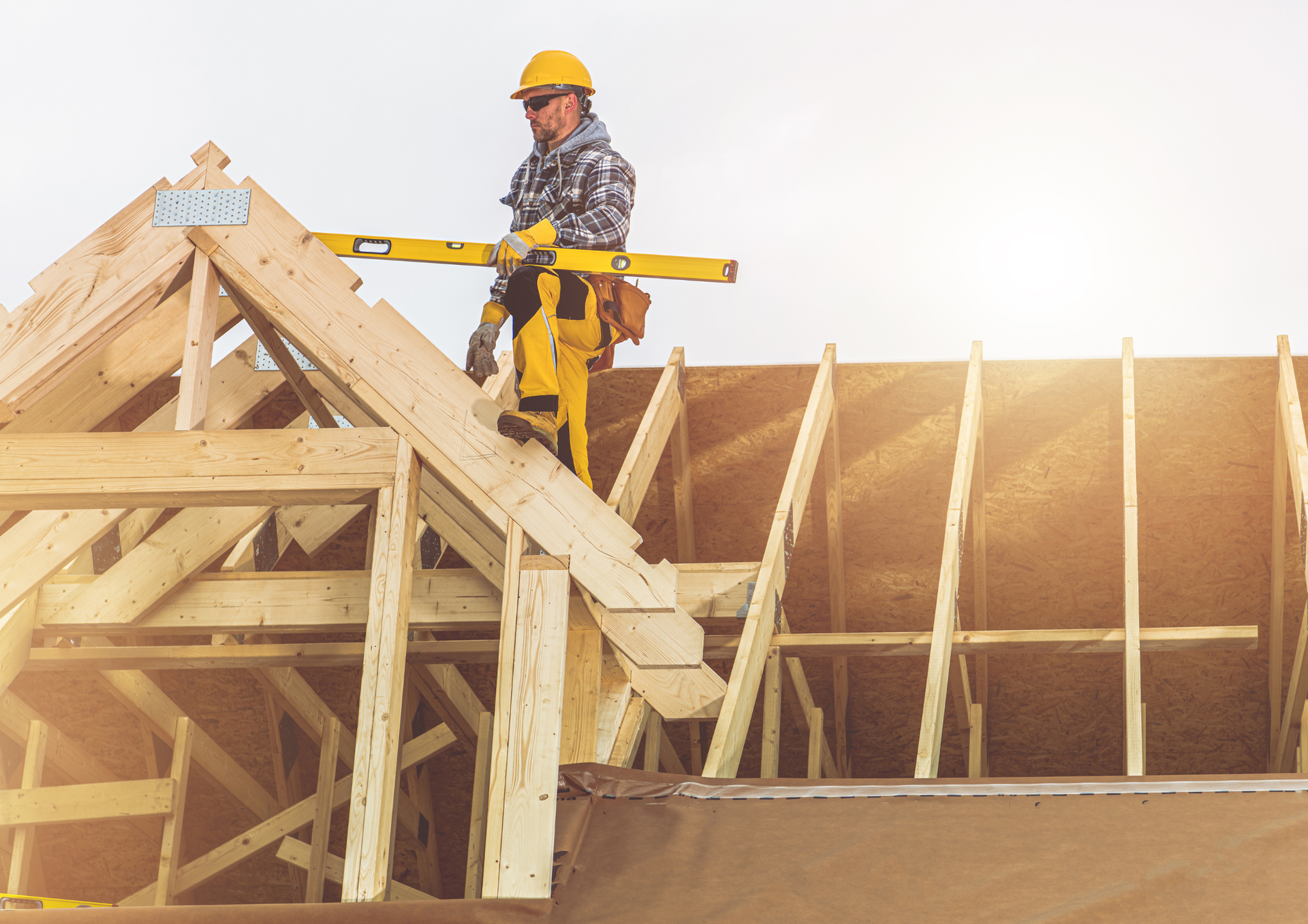
Roof load capacity begins with understanding dead loads – the permanent weight of roofing materials themselves. Tiles, slates, battens, insulation layers, and supporting timbers all contribute to the structural burden placed on a building. Over time, additional layers or alterations can increase this weight beyond what was originally intended.
Environmental factors also play a role. Prolonged rainfall can add temporary weight through water saturation, particularly where drainage is compromised. Property owners searching for roof repair near me often discover that minor structural movement may relate not only to wear but to accumulated strain caused by excessive loading.
Regular assessment ensures that materials remain appropriate for the structure beneath them, particularly in older buildings where modifications may have been carried out over decades.
The Impact of Alterations and Upgrades on Roof Strength
Roof alterations, such as adding new coverings over existing layers, installing solar panels, or upgrading insulation, can significantly change load distribution. While these upgrades may improve energy efficiency or appearance, they must be carefully evaluated to ensure structural suitability.
Experienced roofers consider whether rafters and supporting elements can accommodate additional weight safely. This evaluation is particularly important varied housing stock, where property age and previous works may influence structural resilience.
Many roofing companies advise reviewing load implications before undertaking upgrades, helping property owners avoid unintended structural stress.
Identifying Warning Signs of Overloading
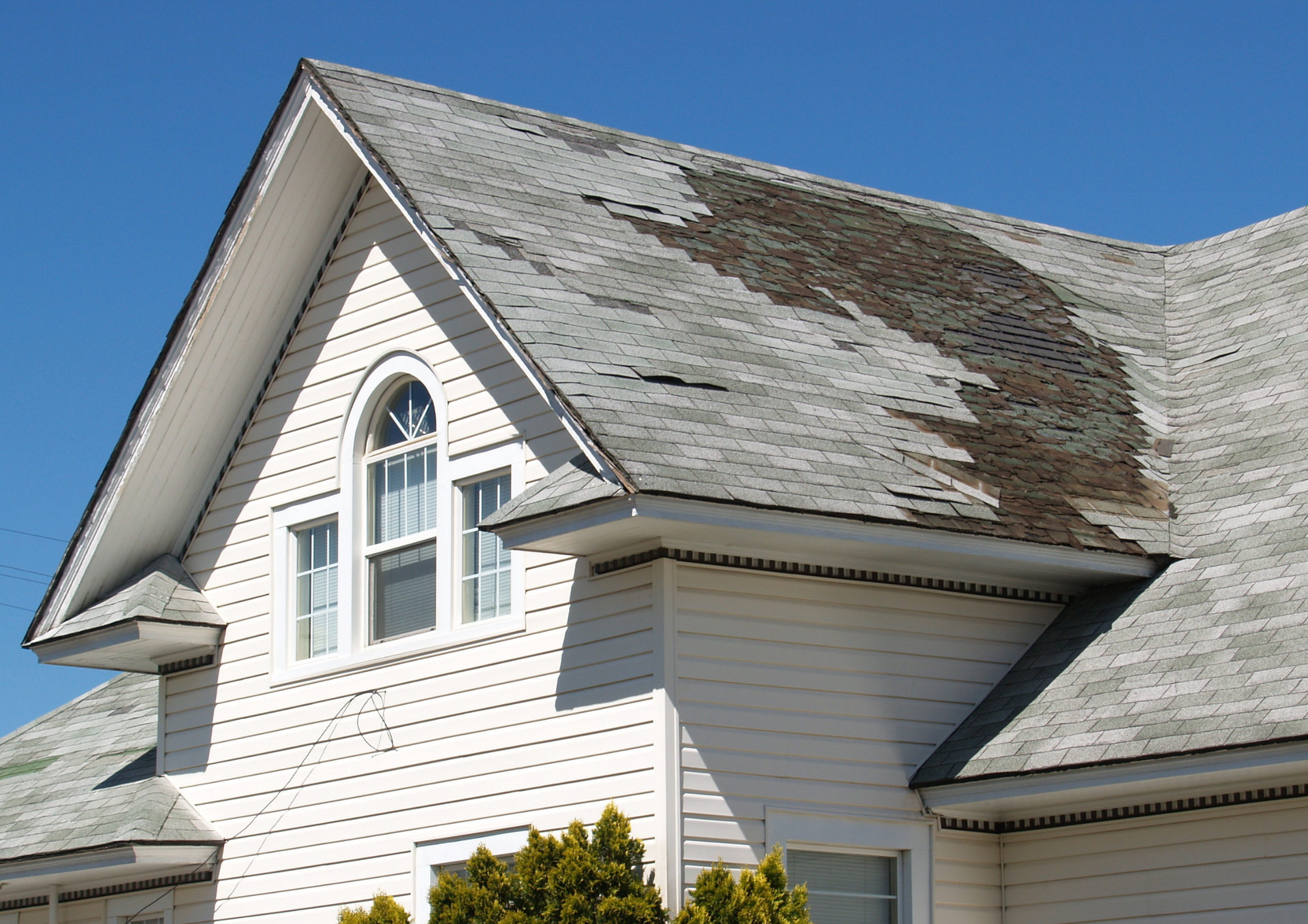
Excessive roof load does not always present immediately obvious symptoms. Subtle sagging, cracked internal plaster, or uneven roof lines may indicate strain developing over time. Early identification allows corrective action before more serious structural concerns arise.
Guidance from roofing contractors typically highlights the importance of visual inspections combined with structural awareness. By identifying early signs of stress, property managers and surveyors can address problems methodically and avoid disruption.
Understanding potential roof repair cost implications at this stage helps owners plan realistically rather than reacting to more complex structural issues later.
Planning for Long-Term Structural Stability
Long-term roof performance relies on careful planning and regular evaluation. Rather than focusing solely on surface materials, structural capacity should be reviewed whenever major changes or repairs are considered. This proactive approach supports building safety and durability.
Roofers encourage property owners to treat load capacity as part of overall maintenance planning. Sensible scheduling of inspections and measured decision-making reduce the likelihood of avoidable strain and support consistent roof performance.
Roofing Croydon provides clear, practical guidance on roof condition and structural considerations across the local area. With experience of Croydon’s diverse property types, we focus on thorough assessments, sensible planning, and long-term solutions. Our approach supports homeowners, landlords, surveyors, and organisations in maintaining safe, reliable roofing systems that perform as intended.
Latest post on X:
Roofers guide – roof load capacity and structural safety explained!
You might also like